How to Fix Basement Water Problems: 11 Repair Methods Explained
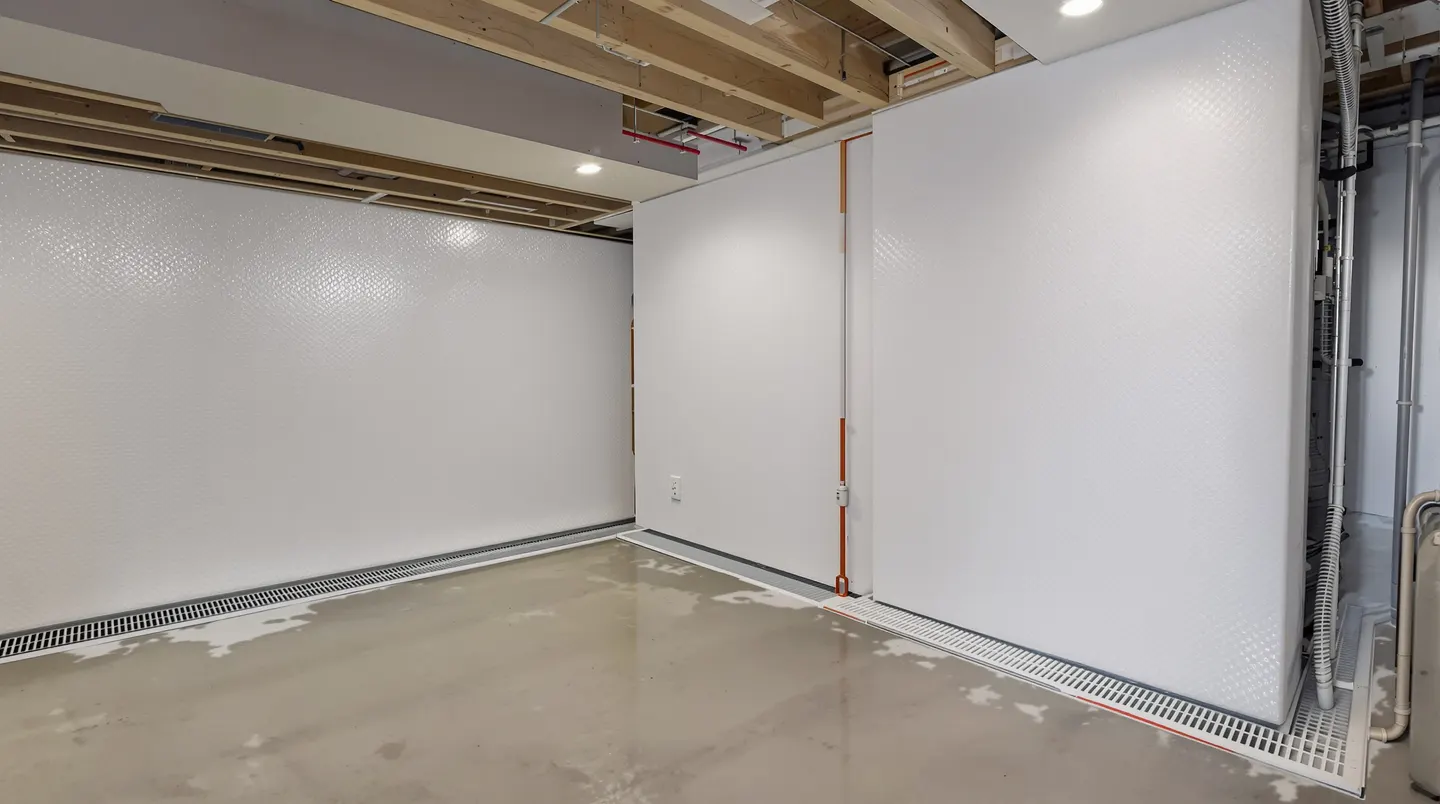
These are the most effective ways to stop water from entering your basement and stabilize walls under pressure. Each method page explains how it works, when it's the right choice, and what to expect.
6 waterproofing methods + 5 wall stabilization methods — each with a dedicated technical guide.
Not sure which solution fits your situation? If you're seeing water but your walls look straight, start with interior waterproofing. If your walls are bowing inward, start with the carbon fiber straps or wall anchors page.
Waterproofing Methods
These methods manage water that has reached or passed through the foundation — intercepting it, redirecting it, and removing it before it damages the basement interior.
Interior Waterproofing
Keeps your basement dry by capturing water at the perimeter and pumping it out before it reaches the floor.
See how it works and when it's appropriate →Exterior Waterproofing
Stops water from ever reaching your foundation wall by blocking and redirecting it from the outside.
See how it works and when it's appropriate →Interior vs. Exterior Waterproofing
Helps you decide which approach is right for your home based on your water source, budget, and site conditions.
See how it works and when it's appropriate →Sump Pump Systems
Removes collected water from your basement and discharges it away from the foundation so it cannot return.
See how it works and when it's appropriate →French Drain Systems
Intercepts groundwater underground and redirects it to a discharge point before it can build pressure against your walls.
See how it works and when it's appropriate →Crack Repair Injection
Permanently seals individual wall cracks to stop water from leaking through at specific points.
See how it works and when it's appropriate →Wall Stabilization Methods
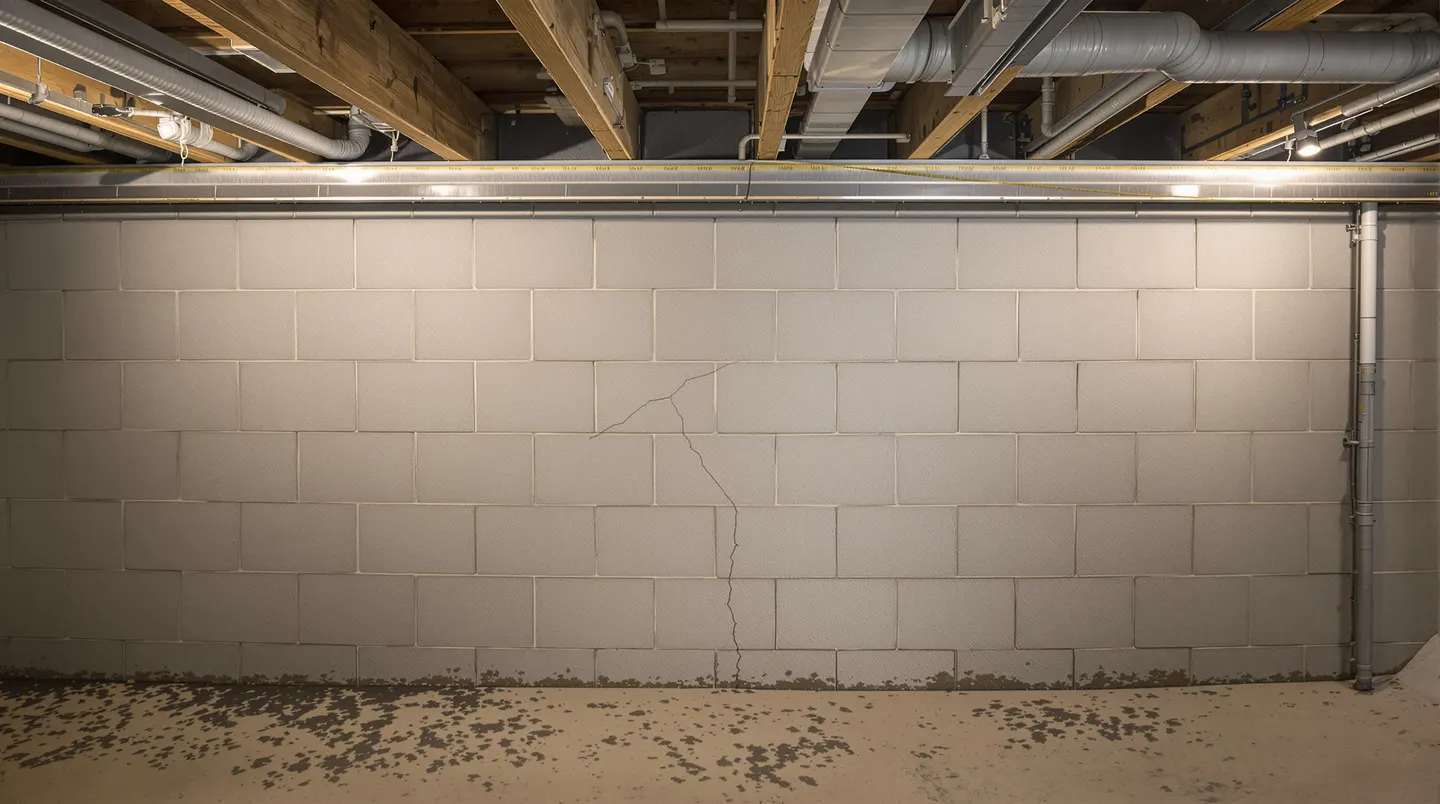
When a basement wall has bowed inward from lateral earth pressure, it needs reinforcement to resist the ongoing soil load. The method depends on the amount of deflection, the wall type, and whether exterior access is available.
For a breakdown of deflection stages and what each means, see the 4-stage bowing wall severity scale.
Carbon Fiber Straps
Locks a bowing wall in place and prevents further inward movement without any excavation or exterior work.
See how it works and when it's appropriate →Wall Anchors
Stabilizes a displaced wall and can gradually straighten it back toward plumb over time through seasonal tightening.
See how it works and when it's appropriate →Steel I-Beams
Braces a bowing wall from floor to ceiling and prevents further movement, even where exterior access is not available.
See how it works and when it's appropriate →Helical Tiebacks
Anchors a severely bowed wall into stable soil behind it, providing the strongest non-replacement stabilization available.
See how it works and when it's appropriate →Foundation Wall Replacement
Gives you a structurally sound wall when the existing one has failed beyond what any reinforcement method can recover.
See how it works and when it's appropriate →How Do You Choose the Right Method?
Use this table to match your situation to the right method.
The right repair matches the specific problem. Water entry without wall movement calls for waterproofing. Wall movement calls for stabilization. Many homes need both — a waterproofing system to manage water and a stabilization method to reinforce the wall. The decision starts with identifying your symptoms and measuring any wall deflection.
| Problem | Primary Methods | Key Factor |
|---|---|---|
| Water at cove joint or floor | Interior waterproofing + sump pump | Most common, addresses 70%+ of residential water issues |
| Water through wall cracks (poured) | Crack injection | Crack must be stable (not actively widening) |
| Water through multiple sources | Exterior waterproofing | When interior system cannot keep up with volume |
| Wall bowing <2 inches | Carbon fiber straps or wall anchors | Both arrest movement; anchors can also straighten |
| Wall bowing 2-4 inches | Wall anchors, helical tiebacks, or I-beams | Severity determines whether straightening is possible |
| Wall bowing >4 inches | Helical tiebacks or wall replacement | Structural evaluation required before proceeding |
Cost varies significantly by method, wall length, and severity. For current price ranges across all methods in Kansas City and Des Moines, see our basement waterproofing and wall repair cost guide.
Next Steps
This research is developed by Patrick Smith in collaboration with JLB Foundation Repair, drawing on basement water intrusion and wall stabilization data from Kansas City and Des Moines. Learn more about this site.