Your Basement Is Fighting Water Pressure Every Day
If your basement walls are cracking, water appears after rain, or your sump pump runs constantly — the problem is water pressure pushing against your foundation.
An independent educational resource for Kansas City and Des Moines homeowners.
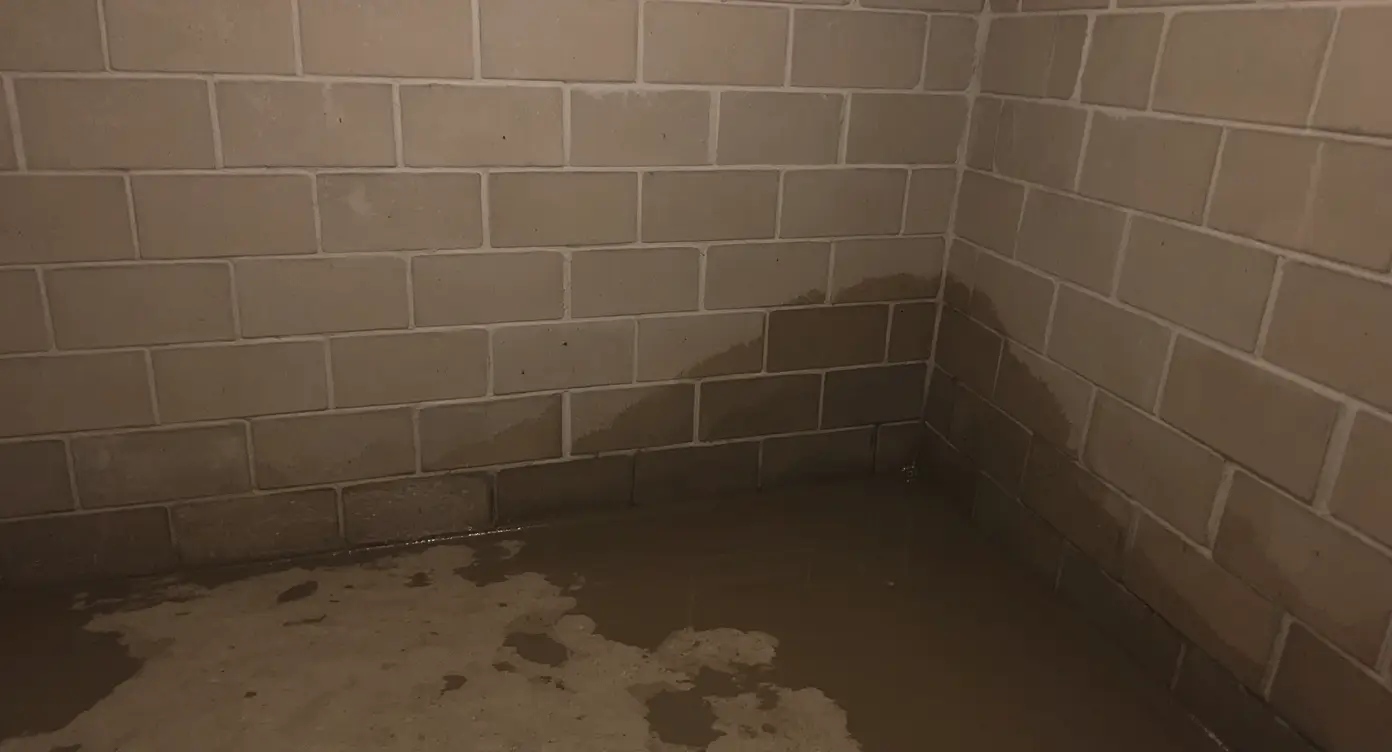
Explore 6 common warning signs, 11 proven repair methods, and the real cost data for Kansas City and Des Moines.
What's Happening in Your Basement?
Start with your situation — we'll point you to the right explanation.
Water appears in my basement after it rains
Learn why rainwater enters through cove joints and wall cracks, and which fixes actually stop it.
Understand why this happens →My basement walls are bowing or cracking
Find out what causes lateral earth pressure to push walls inward and when it becomes structural.
See what's pushing your walls →I see white deposits or smell something musty
Those white stains and that damp smell are early warnings — here's what they reveal about moisture behind the wall.
Decode these warning signs →My sump pump runs constantly or won't turn on
A sump pump that never stops — or never starts — usually points to a bigger water pressure issue.
Diagnose your sump pump issue →I want to understand my repair options
Interior drains, exterior membranes, wall anchors, carbon fiber — see how each method works and when it fits.
Compare repair methods →I want to know what this will cost
Real price ranges for Kansas City and Des Moines, broken down by repair type and basement size.
View cost data →Why Midwest Basements Face Unique Water Pressure Challenges
Kansas City sits on Wymore-Ladoga clay — a dense, expansive soil formation that swells when wet and shrinks when dry. This cycle pushes water against basement walls with increasing force after every rain event, creating hydrostatic pressure that compounds over time. Homes built on this clay face lateral earth pressure that block and poured concrete walls were never designed to resist indefinitely.
Des Moines presents a different but equally serious challenge. Built on glacial till deposited thousands of years ago, the region's shallow water table means groundwater is already close to foundation level. When seasonal rains or snowmelt saturate the soil, that water table rises rapidly — and basement floors and cove joints become the path of least resistance.
Both cities share a common thread: the soil and water conditions around your foundation create pressure your basement must constantly resist. Understanding the science of water pressure is the first step toward knowing whether your home is protected — or at risk.
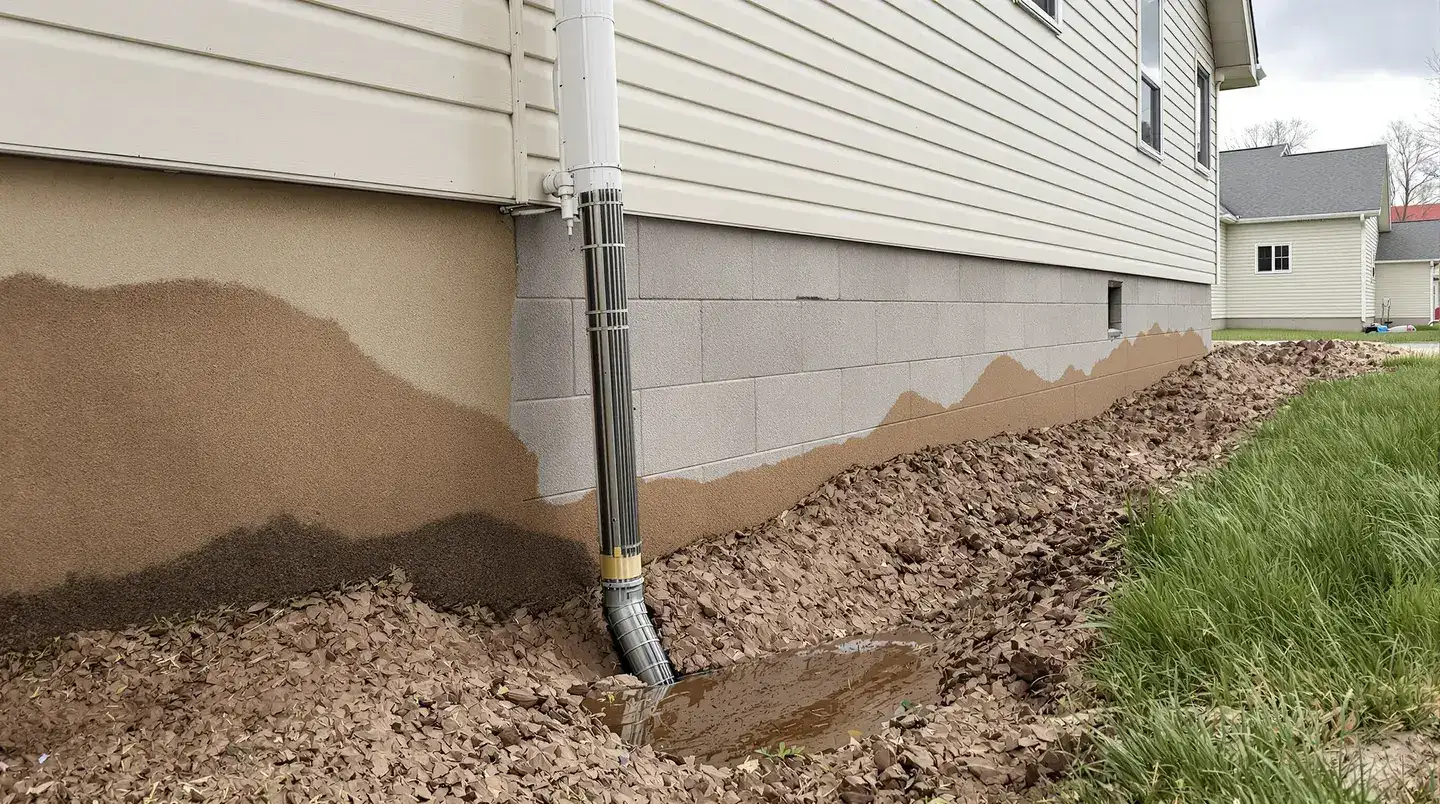
Common Warning Signs of Basement Water Pressure
Bowing Basement Walls
4-stage severity scale, measurement instructions, block vs poured concrete failure.
Read more →Efflorescence and Moisture Signs
White deposits, musty smell, damp walls, paint peeling, wood rot.
Read more →Browse by Topic
Not sure where to start? Read the Ultimate Guide — it walks through the full story from water pressure science to repair options to costs.
Basement Water Pressure in Your Area
Water pressure problems vary by location. Soil type, water table depth, and seasonal rainfall determine your basement's risk profile.
Kansas City Metro
Expansive Wymore-Ladoga clay swells when wet and pushes against basement walls. Seasonal wet-dry cycles compound the damage every year.
Explore Kansas City dataDes Moines Metro
Glacial till soil and a shallow water table push groundwater against foundations year-round, with peak risk during spring snowmelt.
Explore Des Moines dataReady for a Professional Assessment?
If you're seeing signs of water pressure damage in your basement, a professional evaluation can identify the specific cause and recommend the right solution for your home's conditions.